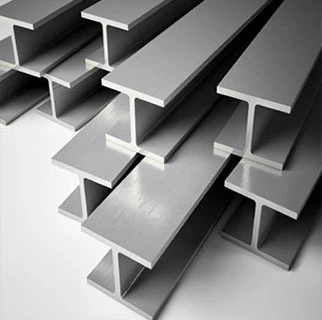
Thank You for Your Attention on CUMIC!

What if steel formwork combines the strength of steel with weight optimization and enhanced corrosion protection — while remaining cost-effective for repeated use?
That’s where ZAM steel comes in, offering a different balance of strength, durability, reuse, and lifecycle cost.
But can it be a practical alternative to aluminum formwork — and when does it make sense?
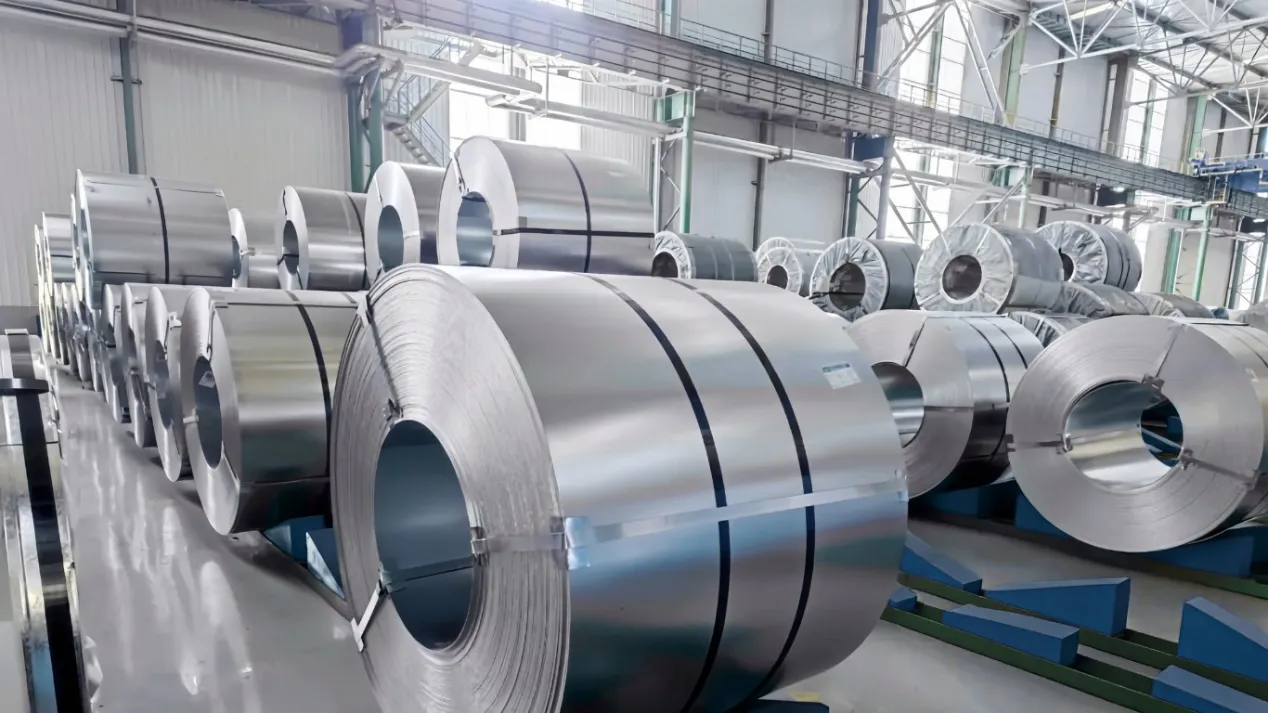
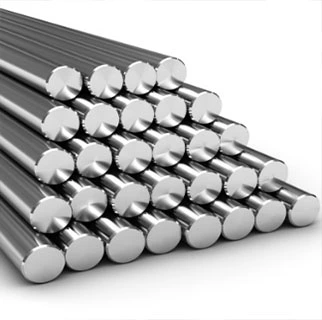
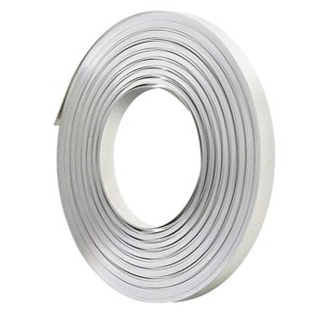
ZAM (Zn-Al-Mg coated steel) combines a high-strength steel substrate with a Zinc-Aluminum-Magnesium alloy coating, engineered to balance structural capacity, fabrication performance, corrosion resistance, and system weight.
Key Benefits for Formwork:
ZAM Steel provides EPC contractors and formwork fabricators with a steel-based option compatible with aluminum formwork dimensions and accessories.
· Corrosion resistance — Zn-6%Al-3%Mg coating with cut-edge protection; 9,248+ hours to red rust in specified SGS salt-spray testing
· High strength + formability — ≥700 MPa yield strength with ≥12% elongation, supporting bending, stamping, and roll forming
· Lightweighting potential — high-strength design enables optimized panel thickness, with potential 15–25% weight reduction vs. Q235 mild steel, depending on system design
· Lifecycle cost efficiency — competitive material cost combined with reduced repainting and maintenance requirements
· High reuse potential — strength and corrosion protection support performance across repeated formwork cycles
Beyond mild steel, ZAM is often compared with aluminum formwork — another established option in the market. So how do the two compare?
Not necessarily.
ZAM steel should not automatically be viewed as a replacement for aluminum formwork. It is better understood as another material option that can be evaluated alongside aluminum and conventional steel.
Both ZAM steel and aluminum can be engineered into modular, standardized, and reusable formwork systems. The better choice depends on the project’s design, construction method, site conditions, labor model, and expected number of reuse cycles.
Aluminum formwork may be preferred when:
· Low panel weight and manual handling are critical
· Floor plans are highly standardized and repetitive
· Fast wall-and-slab construction cycles are required
· Project geometry is stable with limited onsite modification
· A mature modular system is preferred
Typical fit: standardized,repetitive mid- and high-rise residential or tower projects,
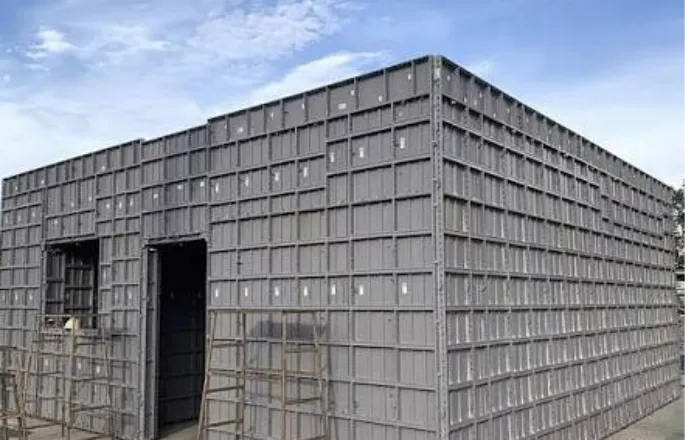
· Higher strength and stiffness are required
· Profiles and configurations require greater design flexibility
· Corrosion exposure is demanding, particularly in coastal, humid, basement, or outdoor environments
· Repairability and repeated reuse are important
· Lifecycle cost is a key project consideration
Typical fit: high-rise,commercial building, infrastructure, industrial buildings, and other large-scale EPC projects
The decision goes beyond whether steel costs less or aluminum installs faster. What matters is cost per successful concrete cycle under the project’s actual design, site conditions, schedule, and expected reuse.
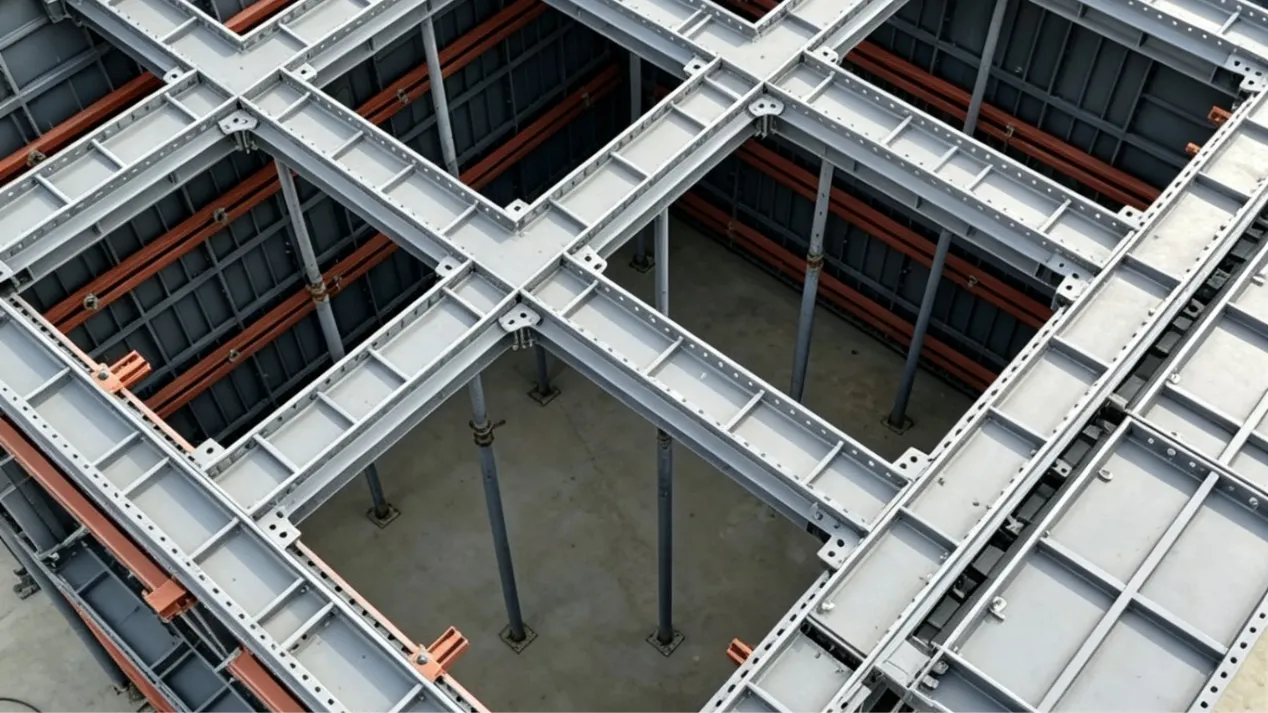
ZAM Steel is not designed to replace aluminum formwork in every project. It provides another engineered solution when strength, durability, flexibility and lifecycle cost matter.
CUMIC supports infrastructure and construction projects with integrated steel solutions built around quality, schedule, and supply reliability.
For concrete formwork and broader project steel requirements, we support:
· Project-Specific Materials — ZAM specifications and coatings matched to design and exposure requirements
· Engineering & Fabrication — drawing and BOQ review, material optimization, and qualified fabrication coordination
· Quality & Supply Control — global sourcing, third-party inspection, traceability, and documentation
· Global Project Delivery — logistics and shipment planning aligned with project schedules
Working on a project where ZAM steel could make sense? Let's evaluate the optimal formwork material based on your project requirements, construction method and lifecycle objectives.
NEXT