Thank You for Your Attention on CUMIC!

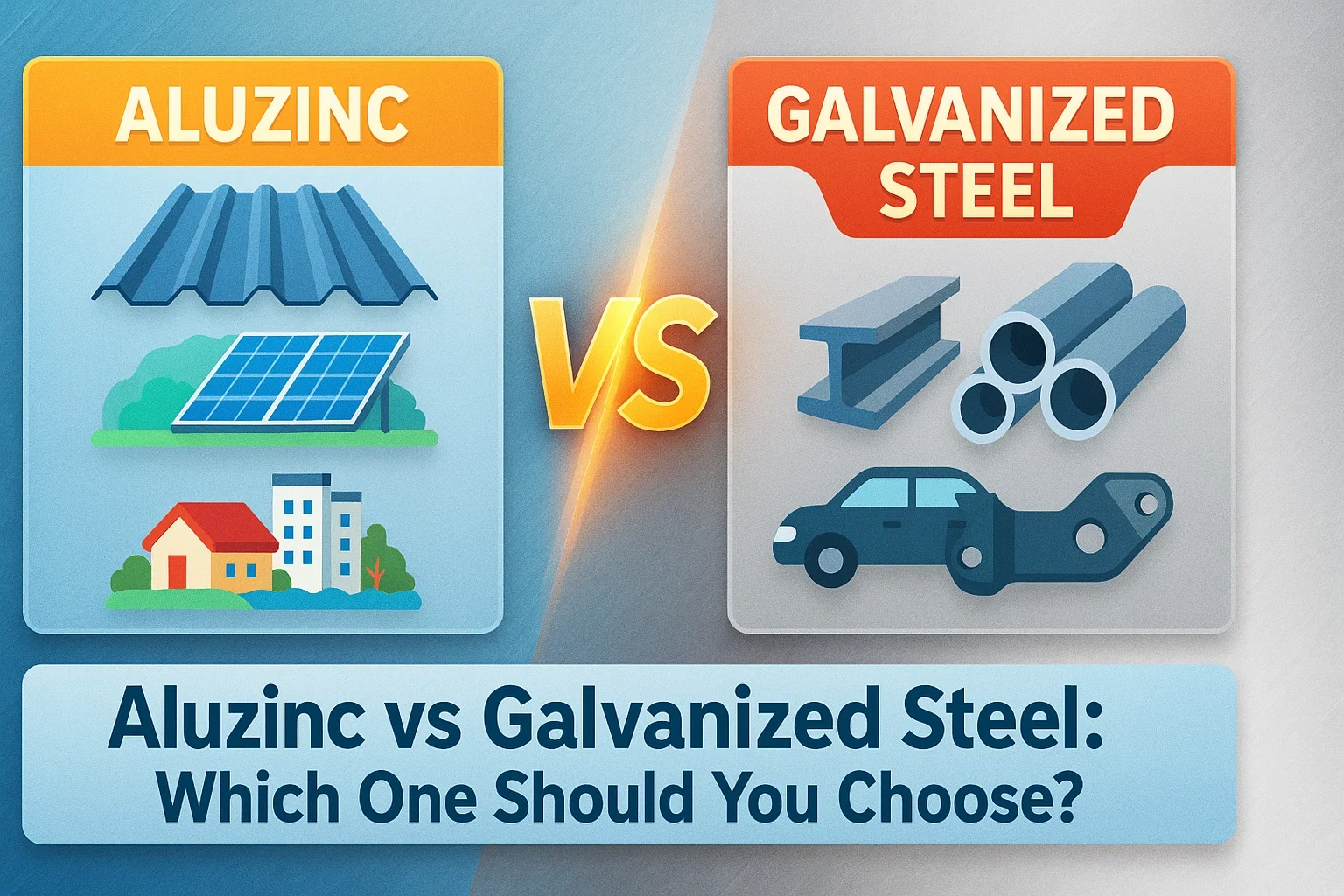
When it comes to construction, roofing, or industrial manufacturing, choosing the right type of coated steel can significantly affect the performance, durability, and cost of your project. Two of the most common coated steels are Aluzinc steel (Galvalume) and Galvanized steel. While both are designed to provide corrosion protection, their compositions, properties, and ideal applications are different. This article will help you understand the key differences between Aluzinc and Galvanized steel—and guide you to the best choice for your specific needs.
Galvanized steel is carbon steel coated with a layer of pure zinc using the hot-dip galvanizing process. The zinc coating acts as a sacrificial barrier, protecting the underlying steel from corrosion.
Key Features:
Shiny, spangled surface appearance
Strong cathodic protection against scratches or cuts
Relatively lower cost compared to aluzinc coated steel
Widely used in construction, automotive, and appliances
Aluzinc steel, also known as Galvalume, is coated with an alloy of 55% aluminum, 43.4% zinc, and 1.6% silicon. This combination leverages the corrosion resistance of aluminum with the sacrificial protection of zinc.
Key Features:
Superior corrosion resistance (2–6 times better than galvanized steel in many environments)
Excellent heat and oxidation resistance (up to 315°C)
Smooth, matte metallic finish with excellent paint adhesion
Ideal for roofing, wall cladding, solar panel frames, and coastal applications
| Feature | Aluzinc Steel (Galvalume) | Galvanized Steel |
|---|---|---|
| Coating Composition | 55% Al, 43.4% Zn, 1.6% Si | 100% Zn |
| Corrosion Resistance | 2–6x better than galvanized | Good but lower than Aluzinc |
| Heat Resistance | Up to 315°C | Limited (~200°C) |
| Paintability | Excellent (strong adhesion) | Good, but prone to peeling in long-term exposure |
| Cost | Higher initial investment | More affordable upfront |
| Best Applications | Roofing, coastal, solar, industrial | Automotive, fencing, indoor uses |
Extended Lifespan: In harsh climates (humid, coastal, or high-temperature areas), Aluzinc can last up to 25–40 years, compared to 10–20 years for galvanized steel.
Lower Maintenance Costs: Fewer repainting or replacement needs.
Sustainability: Longer life cycle reduces material waste.
Cost-Effective: Lower upfront cost, suitable for budget-sensitive projects.
Good Scratch Protection: Zinc coating provides cathodic protection.
Availability: More widely available and used across industries.
The choice depends on your project needs:
Choose Aluzinc Steel if…
Your project is in a coastal, humid, or high-temperature environment.
You need long-term durability and lower life-cycle cost.
Applications: Roofing, solar frames, exterior cladding, industrial equipment.
Choose Galvanized Steel if…
Budget is the main concern.
The project is shorter-term or in a mild environment.
Applications: Fencing, automotive components, temporary structures.
Both Aluzinc steel and Galvanized steel offer unique advantages. While galvanized steel is economical and widely used, Aluzinc provides superior corrosion resistance and long-term performance. For projects where durability and lifecycle value are critical, Aluzinc is the smarter choice.
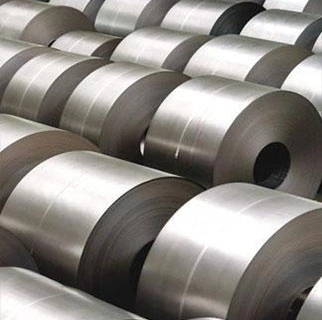
At CUMIC Steel, we supply high-quality Aluzinc and Galvanized steel coils directly from trusted global mills, tailored to your project requirements.
Call to Action (CTA):
Request a Quote for Aluzinc or Galvanized steel today
Download Our Product Catalog for detailed specifications